Dead End Guy Grip: Selection, Installation & Failure Prevention Guide
What Is a Dead End Guy Grip?
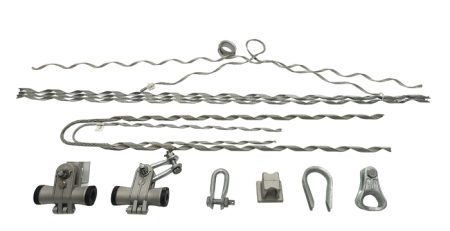
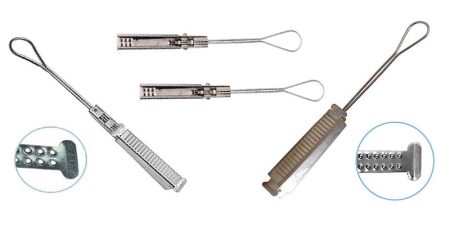
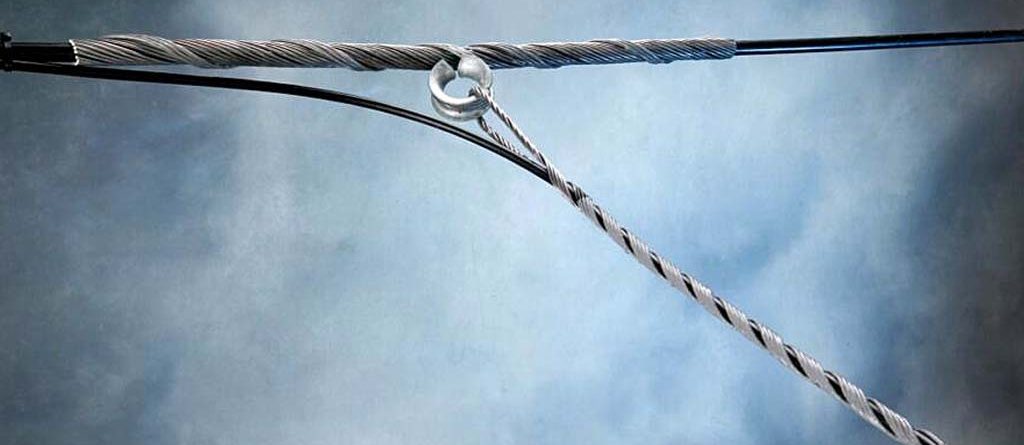
A dead end guy grip is a helical wire device. It anchors guy strands on poles and towers. This tool transfers weight from the strand to the hardware. Most importantly, it holds the wire without crushing or damaging it.
Unlike U-bolts, this preformed grip uses a spiral pattern. This design spreads tension evenly. Because of this, the assembly can reach 100% of the strand’s breaking strength.
Many industries rely on these grips. Common uses include:
Power distribution lines
Telecom and ADSS cables
Antenna tower support
How the Helical Design Works
The grip gets its strength from preformed legs. When you install it, the rods wrap into the valleys of the strand. This action converts tension into a strong holding force.
The long contact area improves stability. It works better than standard clamps. However, you must match the “lay direction” of the grip and the strand. If they do not match, the grip will slip.
Key Parts of a Guy Grip
A standard grip has three main parts:
Helical Rods: High-strength steel wires that form the body.
Cabled Loop: A factory loop that connects to bolts or shackles.
Color Marks: Simple codes that identify the correct strand size.
How to Choose the Right Grip
Picking the wrong grip causes failure. Follow these four rules:
Measure the Diameter: Use a caliper to check the strand size. Do not guess.
Match Materials: Use galvanized grips for galvanized steel. This prevents rust.
Check Lay Direction: A right-hand strand needs a right-hand grip.
Check Strength: Use EHS-rated grips for heavy transmission towers.
Simple Installation Steps
Correct installation ensures safety. Follow these steps:
Clean the strand: Remove all dirt and oil first.
Align the mark: Place the start mark at the correct spot.
Wrap by hand: Wrap the legs evenly. Do not cross the rods.
Inspect the loop: Ensure the loop sits firmly in the hardware.
Note: These grips are for single use only. Replace them if you remove them after tension.
Why Do Guy Grips Fail?
Most problems come from simple mistakes. For example, using the wrong size causes slipping. Also, salt air in coastal areas can cause rust. You should inspect these grips every 6 to 12 months to stay safe.
Conclusion
The dead end guy grip is a simple but powerful tool. It provides high strength and a long service life. When you select and install it correctly, your towers stay secure for years.